Foliar Nutritional Analysis in Olive and Almond Trees: When and How to Do It
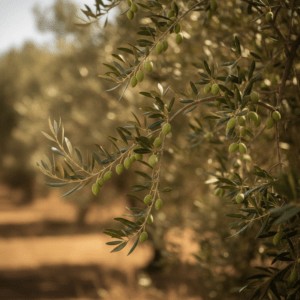
Foliar nutritional analysis is the most precise tool available to assess the real nutritional status of a woody crop. Unlike soil analysis, which reports on the potential availability of nutrients, foliar analysis measures what the tree has actually absorbed — what has entered the vascular system and is available for physiological processes. In olive and almond trees, performing it at the right time allows for technically informed fertilisation decisions, early detection of nutrient imbalances before they manifest as symptoms, and year-on-year documentation of the nutritional status of the plantation.
What is foliar nutritional analysis and how does it differ from soil analysis?
Soil analysis determines nutrient concentration in the substrate and its potential availability based on pH, texture and organic matter content. It is a photograph of the soil.
Foliar analysis directly measures the concentration of nutrients in plant tissue — in the leaf itself. It is a photograph of the tree.
Both are complementary. The soil may contain adequate levels of a nutrient while the tree is failing to absorb it due to antagonistic interactions, root pH issues or absorption deficiencies. Foliar analysis detects exactly this: what is happening inside the plant, not what is available outside.
For international buyers, exporters and quality managers sourcing olive oil or almonds from Spain, this distinction is critical. A product’s nutritional profile and quality consistency depend not on what the soil theoretically provides, but on what the tree actually incorporates.
When is the optimal sampling time for olive and almond trees?
Sampling timing is critical. Outside the optimal window, results lose representativeness and comparability with established reference levels decreases significantly.
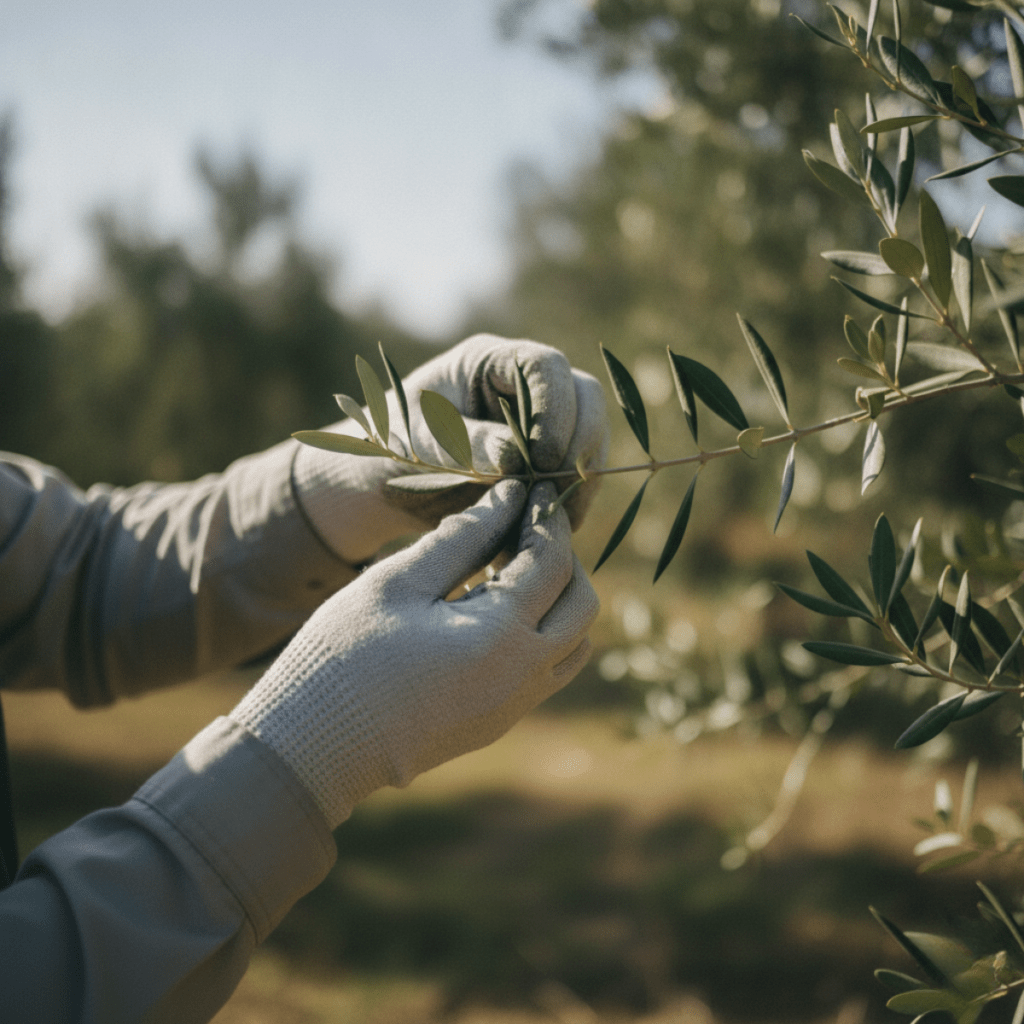
In olive trees: the recommended period is during stone hardening, between June and July. At this point the tree has completed its active spring absorption cycle and foliar levels reflect the real nutritional status of the campaign.
In almond trees: the optimal window is similar, between June and July, coinciding with the fruit filling period. This is the moment when any nutritional imbalance has the greatest impact on final yield.
In both crops, samples must be taken from fully developed leaves on the middle third of current-year shoots, from trees representative of the plot, under normal health conditions.
| Crop | Optimal sampling period | Phenological reference |
|---|---|---|
| Olive tree | June – July | Stone hardening stage |
| Almond tree | June – July | Fruit filling stage |
What parameters does foliar nutritional analysis include?
A complete foliar nutritional analysis report includes the determination of the following groups of elements:
Primary macronutrients
- Nitrogen (N): structural element of proteins and chlorophyll. Nitrogen deficiency manifests as leaf yellowing and reduced vegetative growth.
- Phosphorus (P): key in energy transfer processes and root development.
- Potassium (K): regulates stomatal aperture and resistance to water stress. Critical in olive cultivation across Mediterranean regions with dry summers.
- Calcium (Ca) and Magnesium (Mg): involved in cell membrane stability and photosynthetic activity respectively.
- Sulphur (S): component of essential amino acids.
Micronutrients
- Iron (Fe): frequently deficient in calcareous soils. Iron chlorosis is one of the most common conditions in olive groves across southern Spain and the wider Mediterranean basin.
- Manganese (Mn), Zinc (Zn), Copper (Cu): involved in enzyme activation and auxin synthesis.
- Boron (B): essential for pollination and fruit set. Boron deficiency in almond trees is directly associated with yield losses — a particularly relevant issue for international producers managing almond orchards in semi-arid conditions.
- Molybdenum (Mo): required for nitrogen assimilation.
| Group | Element | Primary function |
|---|---|---|
| Macronutrient | Nitrogen (N) | Protein and chlorophyll synthesis |
| Macronutrient | Potassium (K) | Water regulation and stress resistance |
| Macronutrient | Calcium (Ca) | Cell membrane stability |
| Micronutrient | Iron (Fe) | Chlorophyll synthesis, iron chlorosis |
| Micronutrient | Boron (B) | Pollination and fruit set |
| Micronutrient | Zinc (Zn) | Auxin synthesis and enzyme activation |
How are results interpreted? Reference level charts
The values obtained in the analysis are compared against reference ranges established for each crop, element and phenological stage. These ranges classify results into levels: deficient, low, adequate, high and excessive.
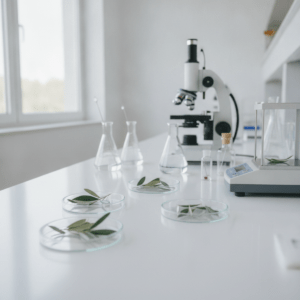
At Laboratorio Agrama, the results report includes reference level charts that allow the immediate visual identification of where each parameter sits relative to the optimal range for that crop. This facilitates direct interpretation by the grower or agronomist without requiring advanced analytical expertise.
Correct interpretation of results must take into account:
- Nutrient imbalances, not just absolute values. A high potassium level may induce magnesium deficiency even when magnesium falls within the normal range.
- The historical record from previous seasons, which allows trend detection and progressive fertilisation adjustments over time.
- Soil conditions specific to the plot, to integrate both analyses into a coherent fertilisation recommendation.
How often should foliar analysis be performed?
The general recommendation for olive and almond trees in production is to perform foliar analysis once per season, within the optimal sampling window. This provides an annual dataset that enables:
| Benefits of annual foliar analysis |
|---|
| Adjust the fertilisation programme before the start of the next cycle |
| Detect trends of nutrient depletion or accumulation over the years |
| Make fertilisation decisions with technical criteria backed by the plantation’s own data |
| Document nutritional status for organic or integrated production certifications |
In plots with a history of recurring nutritional issues, high variability, or in transition to organic farming, an additional analysis outside of the main season may be justified.
Foliar analysis at Laboratorio Agrama
Laboratorio Agrama is an analytical laboratory based in La Rinconada, Seville (Spain), specialising in agri-food analysis, phytosanitary diagnostics and agricultural analysis for the Spanish and Portuguese markets. We work with producers, exporters, cooperatives and quality managers in the olive oil, almond, citrus and horticulture sectors.
We perform foliar nutritional analysis for olive, almond and other woody and horticultural crops with short turnaround times and a results report including reference level charts.
If you are in the middle of your sampling campaign or would like to plan your plantation’s analysis, we can advise on the correct sampling protocol, required quantities and current turnaround times.
Email: agrama@laboratorioagrama.com
Phone: +34 95 490 60 43
Web: www.laboratorioagrama.com
Location: P.I. NACOISA, C/Carmen Martín, 10-11 · 41309 La Rinconada, Seville, Spain
Frequently asked questions about foliar nutritional analysis
When should foliar analysis be performed in olive trees?
The optimal time in olive trees is during stone hardening, between June and July. During this period, foliar levels reflect the real nutritional status of the season and results are comparable with the established reference ranges for the crop.
What is the difference between soil analysis and foliar analysis?
Soil analysis measures the potential availability of nutrients in the substrate. Foliar analysis measures what the tree has actually absorbed. Both are complementary: the soil may contain available nutrients that the tree is not absorbing due to pH, nutrient antagonisms or root absorption deficiencies.
What nutrients does a complete foliar analysis include in almond trees?
A complete foliar analysis includes macronutrients (nitrogen, phosphorus, potassium, calcium, magnesium and sulphur) and micronutrients (iron, manganese, zinc, copper, boron and molybdenum). Boron is particularly relevant in almond trees due to its direct relationship with fruit set and yield.
How is the sample taken for foliar analysis?
Fully developed leaves are collected from the middle third of current-year shoots in trees representative of the plot, under normal health conditions. The laboratory provides the exact protocol for collection, preservation and shipment of the sample.
How quickly are foliar analysis results available at Laboratorio Agrama?
Foliar nutritional analyses at Laboratorio Agrama have short turnaround times. Please contact us for current timelines based on campaign workload: agrama@laboratorioagrama.com | +34 95 490 60 43.
Do you work with international clients outside Spain?
Yes. Laboratorio Agrama works with producers, exporters and quality teams from Portugal, Morocco, Italy and other olive and almond producing countries, as well as with international buyers and certification bodies sourcing from Spain. Our results reports are issued in Spanish and can be accompanied by an English summary upon request.